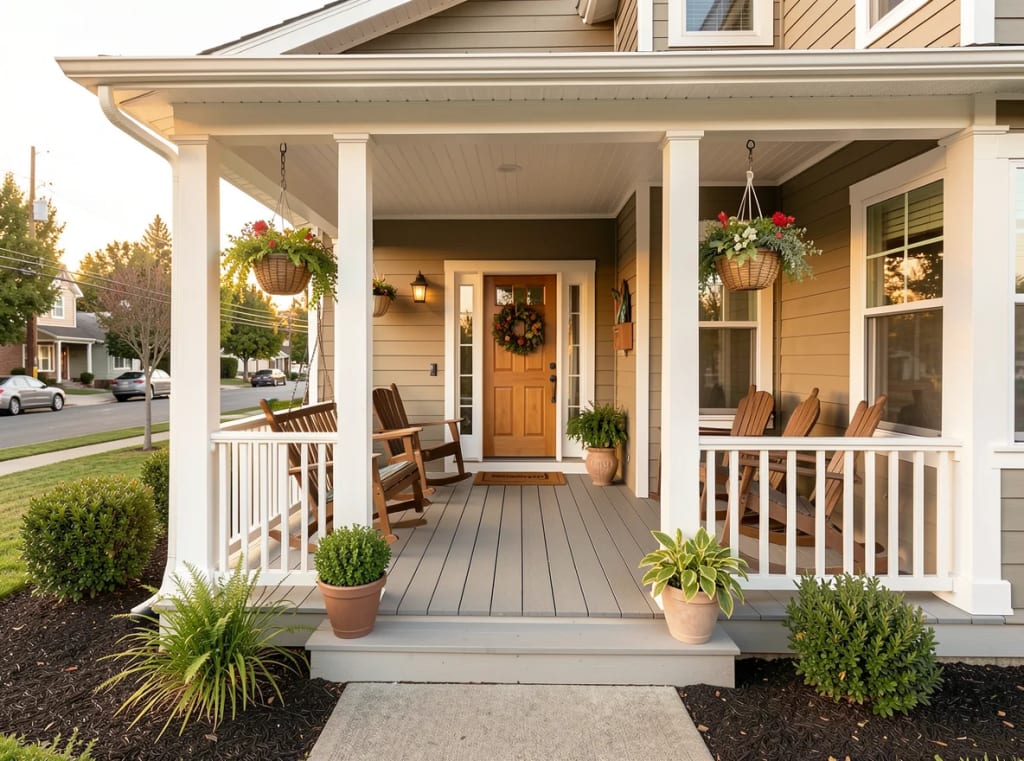
Downsizing in the East Bay: A Practical Roadmap
Downsizing in the East Bay Without Losing What Matters
Making the move to a smaller home can feel equal parts exciting and emotional. For many East Bay homeowners, downsizing is not really about giving something up; it is about creating a simpler, more flexible next chapter. Whether you are hoping to cut maintenance, free up equity, move closer to family, or trade extra rooms for a better lifestyle, the process works best with a clear plan and a realistic sense of what daily life should look like after the move.
Across communities like Hercules and the surrounding East Bay, downsizing looks different for every household. Some sellers want a single-level home with easier access and less yard work. Others are ready for a condo near everyday conveniences, while some prefer a smaller detached home that still offers privacy and outdoor space. The common thread is this: a successful move starts by defining what you need now, not what worked ten or twenty years ago.
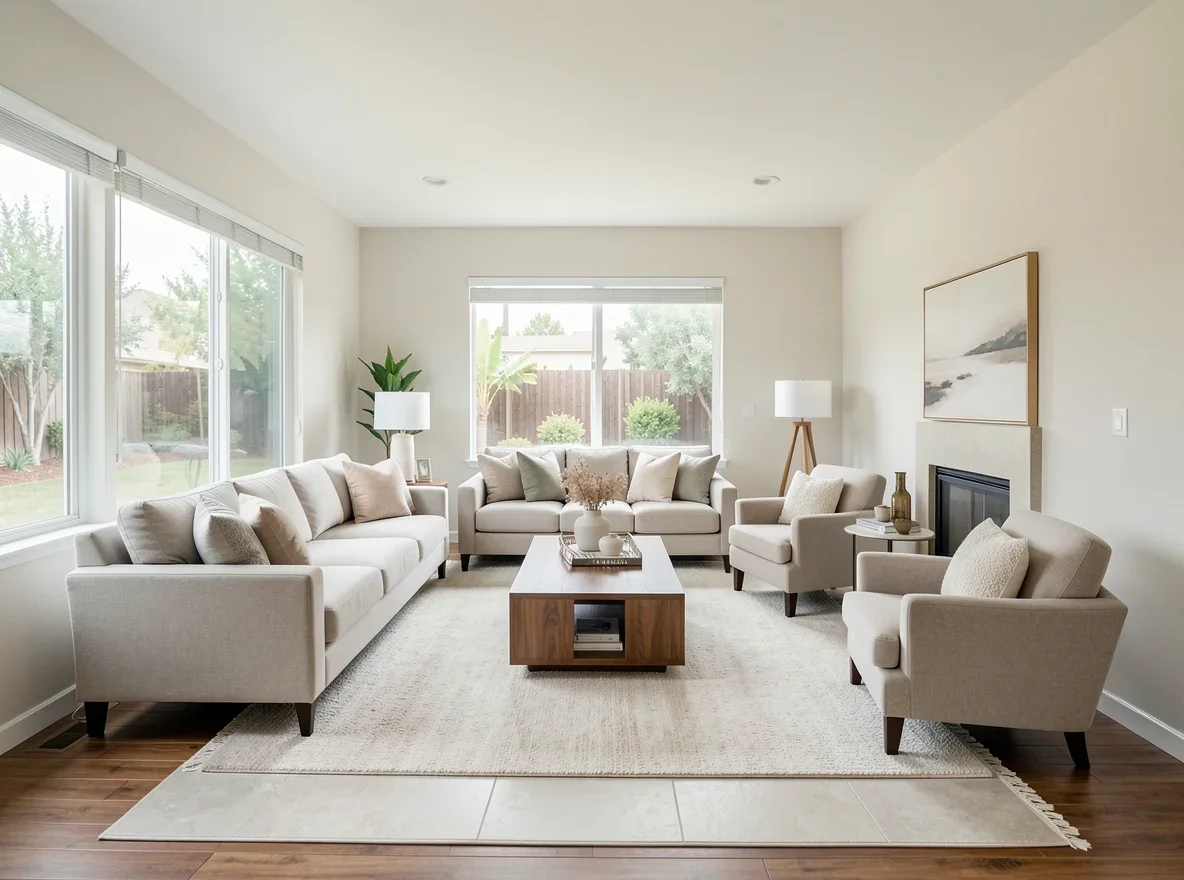
A practical roadmap begins with a lifestyle audit. Think about how you actually use your current home. Which rooms sit empty most of the year? How much storage do you genuinely access every month? Are stairs becoming inconvenient, or is your commute no longer relevant now that work and family routines have changed? By answering those questions honestly, you can begin to separate emotional attachment from functional value. That distinction is powerful when it comes time to choose your next property.
Timing also matters. Many downsizing homeowners assume they need to wait until everything feels perfectly lined up, but in real life the smoothest transitions often come from preparing early. That can mean repairing deferred maintenance, gathering documents, reviewing your mortgage payoff, and understanding likely sale proceeds before you start browsing homes. It also means considering where you want to land in the East Bay market. Some buyers are drawn to neighborhoods with quieter streets and established homes, while others want close access to parks, waterfront paths, regional shopping, or commuter routes that keep the Bay Area within reach.
The East Bay offers a broad mix of housing styles, and that variety is one of its biggest advantages for downsizers. In Hercules, for example, many homeowners appreciate the balance of residential calm and convenience. You can find neighborhoods that feel tucked away while still being connected to schools, recreation, and major transportation corridors. For people who want a fresh start without leaving the broader community they know, that balance can be especially appealing.
What to Prioritize Before You List
Before putting your current home on the market, it helps to rank your priorities in plain language. A short list often works better than a long wish list. Focus on the features that will shape your day-to-day comfort:
- Layout: single-story living, fewer stairs, open flow, guest flexibility
- Maintenance: smaller yard, newer systems, less exterior upkeep
- Location: proximity to family, healthcare, parks, and routine errands
- Budget: target monthly costs, taxes, insurance, HOA dues, and reserves
- Lifestyle: room for hobbies, visiting relatives, entertaining, or travel lock-and-leave ease
Once those priorities are set, the financial picture becomes clearer. Downsizing does not automatically mean spending less overall. A smaller home in a more competitive area may still carry a higher price per square foot, and monthly costs can vary widely depending on property type. This is where local guidance matters. A neighborhood-by-neighborhood analysis can help you compare sale potential on your current property with realistic purchase options, instead of relying on broad online estimates that miss local nuance.
There is also the question of preparation versus perfection. You usually do not need a full remodel to maximize value. Strategic improvements often make a stronger return: fresh paint, lighting updates, flooring repairs, landscaping cleanup, and thoughtful staging. Buyers respond to homes that feel clean, bright, and easy to imagine themselves in. For sellers who are already sorting through years of belongings, that prep phase can also double as a head start on decluttering.

Decluttering deserves more attention than it usually gets. Downsizing is not just moving fewer boxes; it is deciding what should follow you into the next phase of life. Start early and work in categories, not chaos. Keep, donate, gift, sell, recycle. Family heirlooms and sentimental collections tend to take the longest, so build extra time for those decisions. Many homeowners feel immediate relief once they begin, because the process turns an overwhelming project into a series of manageable steps.
As you narrow your search, think beyond the property lines. The best downsizing move often improves your routine outside the home as much as inside it. Access to waterfront walking areas, neighborhood parks, community events, and easy regional travel can all become more important when you are intentionally simplifying. So can nearby dining, casual gathering spots, and services that reduce the need for long drives. A smaller home paired with a richer daily rhythm is often the real goal.
For households with adult children, visiting grandchildren, or frequent overnight guests, flexible space still matters. Downsizing does not mean eliminating comfort. It means right-sizing it. A den, a second bedroom, or a well-designed patio can often serve your life better than formal rooms that rarely get used. This is where a negotiation-focused approach can help buyers stay disciplined: securing the right features without paying for square footage they do not need.
A Smoother Transition With the Right Local Strategy
One of the biggest advantages of working with a local East Bay expert is understanding how to coordinate the sale and purchase sides together. That timing can be tricky. Some homeowners need proceeds from their current sale before buying again. Others want to move once, not twice, and are looking for options that reduce disruption. A customized plan may involve pre-listing prep, targeted pricing, negotiation timing, and a search strategy that reflects actual inventory patterns in the areas you are considering.
That is especially important in a market where each neighborhood can behave differently. Hercules and nearby East Bay communities do not move in lockstep. Buyer demand, property condition, school appeal, lot size, commuting access, and even micro-location within a neighborhood can all affect value. Broad assumptions can lead to missed opportunities, while hyperlocal knowledge can uncover the right fit faster.
Mariama Gebeyehou of Security Pacific Real Estate brings a perspective that many downsizing clients appreciate: practical market knowledge, strong negotiation instincts, and an understanding that real estate decisions are both financial and personal. With experience serving first-time buyers, move-up households, and downsizing clients, she helps people evaluate the full picture rather than focusing on one number alone. That includes equity, future maintenance, comfort, and long-term livability.
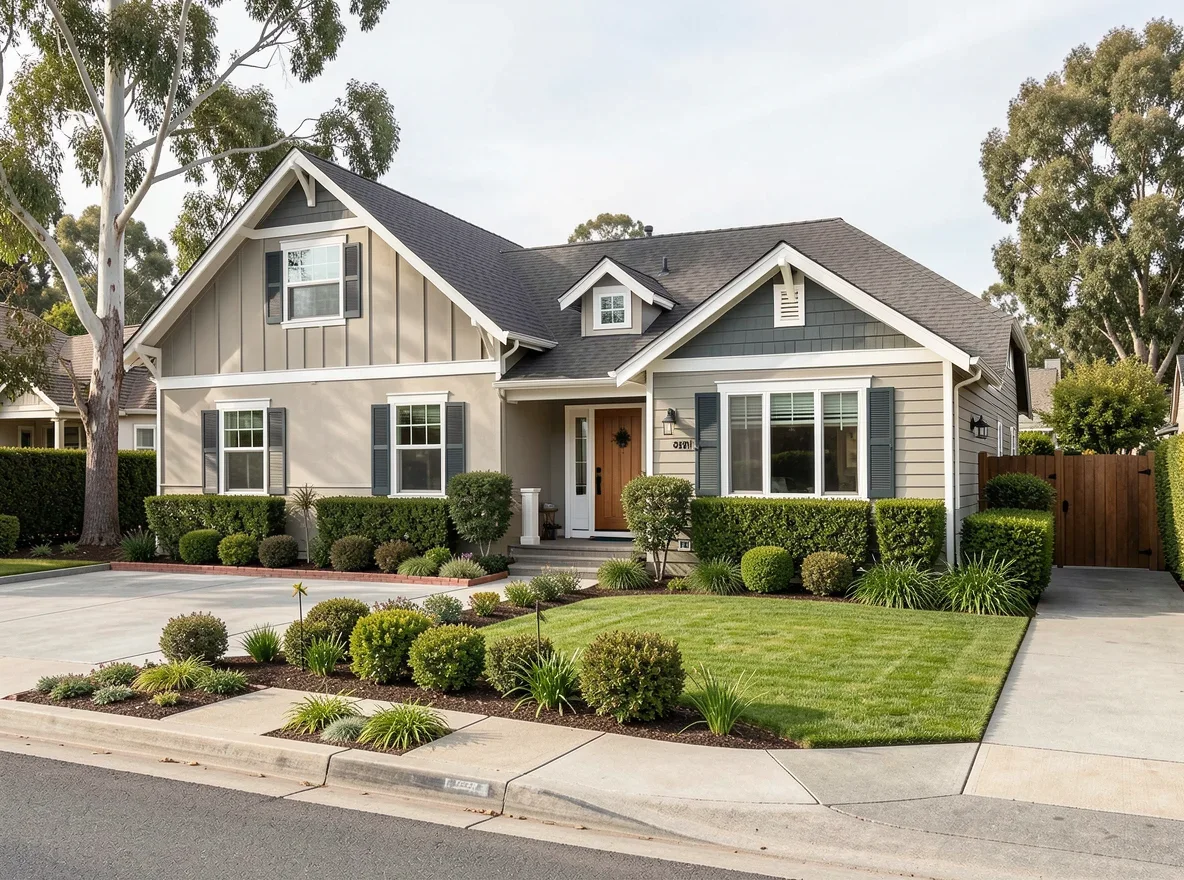
If you are considering a move, start with a conversation about goals, not just listings. The right roadmap should cover where you are now, what your current home can realistically deliver, and what kind of home will support the next stage of your life. In the East Bay, downsizing can be less about shrinking and more about refining: less upkeep, more freedom, less unused space, more intention.
When handled thoughtfully, the result is not a compromise. It is a home that fits better, a budget that works harder, and a daily routine that feels lighter. For many East Bay homeowners, that is exactly what this next move is meant to achieve.
